Westow Hill Crystal Palace removals guide for tight streets
Posted on 19/06/2026
Westow Hill Crystal Palace Removals Guide for Tight Streets
If you are planning a move around Westow Hill, you already know the tricky part is not always the packing. It is the street itself. Narrow sections, parked cars, awkward corners, busy local traffic, and the simple fact that a removal vehicle cannot always sit exactly where you want it can make the day feel a bit more complicated than expected. This Westow Hill Crystal Palace removals guide for tight streets is here to help you plan properly, avoid the usual headaches, and keep the day calm enough that you can actually breathe for a moment.
Whether you are moving a flat, a family home, or a few heavy pieces of furniture, the basic idea is the same: reduce friction before the van arrives. That means thinking about access, timing, carrying distance, parking, lift use, fragile items, and what happens when two vans meet on a road that was never designed for modern moving day chaos. Truth be told, a little local planning goes a long way.
In the sections below, you will find practical steps, real-world considerations, and a simple framework for getting a move done efficiently in a tight Crystal Palace street. If you want broader service options while comparing your move, you may also find removals in Crystal Palace, flat removals in Crystal Palace, and house removals in Crystal Palace useful as background reading.
Why Westow Hill Crystal Palace Removals Guide for Tight Streets Matters
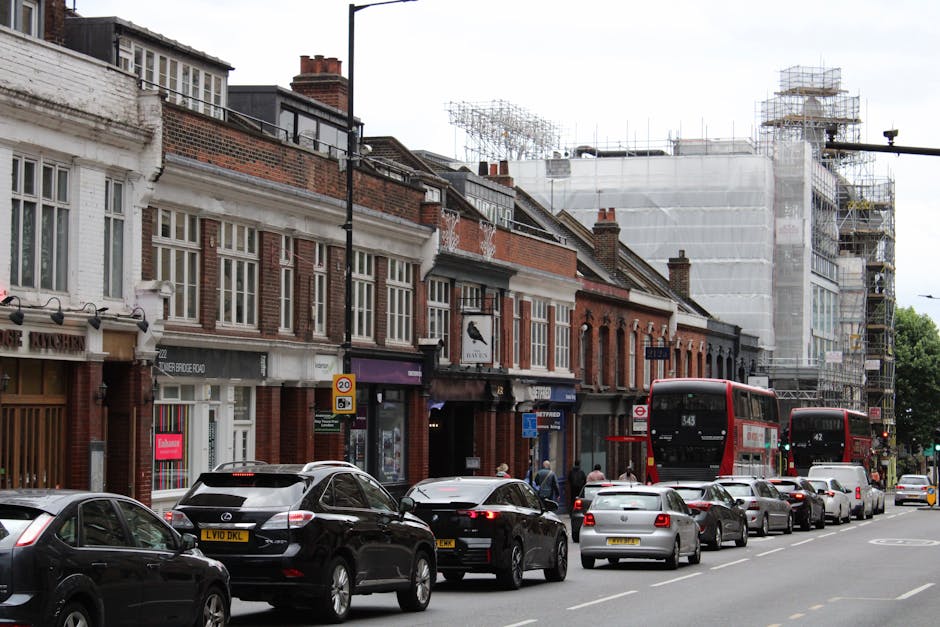
Westow Hill and the nearby Crystal Palace streets can create a very specific kind of moving-day pressure. You may not be dealing with huge distances, but you are often dealing with limited stopping space, mixed residential parking, and roads where a careless plan can turn a straightforward move into a slow, stop-start job. That is where a proper removal approach matters.
In tight streets, the biggest risks are not dramatic. They are small delays that stack up. A van parks too far away. Someone has to carry a wardrobe across wet paving. A neighbour's car blocks the best loading spot. A sofa gets rotated three times because the staircase turns sharper than expected. Nothing catastrophic, just enough friction to make the day longer, noisier, and more expensive.
For many people, the move also happens at a stressful life moment: a first flat, a family upsizing, a new job, a breakup, or a last-minute change of lease dates. That emotional load matters too. A well-planned removals guide gives you structure when everything else feels a bit loose.
Local moving knowledge is especially useful here because small details matter. If you know in advance that your load-out will need a shorter van, quicker turnaround, or a parking strategy, you can avoid a lot of wasted energy. And yes, that can make the difference between a smooth morning and an exasperating one by lunchtime.
How Westow Hill Crystal Palace Removals Guide for Tight Streets Works
The process is simpler than people expect. It starts by matching the property, the road layout, and the furniture to the right moving method. In practical terms, that means thinking about three things at once:
- how close the vehicle can get to the door
- how heavy or awkward the items are
- how long loading and unloading is likely to take
If access is tight, the plan often shifts from "park right outside" to "park as close as safely possible, then use a shorter carry route." That might sound obvious, but it changes everything. It affects the number of trips, the team size, whether dismantling is needed, and the type of van that makes sense.
For example, a small van or a flexible man with a van service can sometimes be more practical than a larger removal vehicle if the street is narrow and loading has to happen in stages. On the other hand, if you have a bigger home or a long list of bulky items, a fuller service from the services we provide page may be the safer choice. Different moves, different logic. Simple, really.
A good tight-street move also factors in timing. Early mornings can be quieter. Midday may be easier for building access if neighbours have already left. School run times, delivery windows, and local traffic patterns can all affect how smoothly the van can stop, load, and leave. It is not glamorous, but it is exactly where a good move is won.
Key Benefits and Practical Advantages
Planning for tight streets gives you more than convenience. It protects your belongings, your time, and your nerves. Here are the main advantages.
| Benefit | What it means in practice | Why it helps on Westow Hill |
|---|---|---|
| Shorter carrying distance | Items move from property to van more quickly | Less risk of damage and less physical strain |
| Better parking control | You choose a realistic stopping point before moving day | Reduces last-minute stress when the street is busy |
| Fewer delays | Less waiting for gaps in traffic or access | Useful where roads can feel tight at peak times |
| Lower damage risk | Clearer routes and less awkward manoeuvring | Helps with staircases, doorways, and tight corners |
| More accurate quotes | The mover can price the job with better information | Less chance of unpleasant surprises later on |
There is also a quieter benefit: confidence. Once you know the access plan, everything feels easier. You can label boxes without panicking, schedule help properly, and make decisions based on reality rather than hope. Let's face it, hope is not a parking strategy.
If you are comparing service styles, the man and van Crystal Palace and man and a van Crystal Palace options are often worth reviewing for lighter or more access-sensitive moves. For larger or more complex jobs, a fuller removal services Crystal Palace package may suit you better.
Who This Is For and When It Makes Sense
This guide is especially relevant if any of the following sound familiar:
- you live on a narrow residential street near Westow Hill
- your property has limited or shared access
- you are moving into or out of a flat with stairs
- you have awkward furniture like wardrobes, beds, or a piano
- you want to avoid blocking the road longer than necessary
- you are moving on a tight schedule or in a single day
Students and renters often benefit most from this kind of planning because the move may be small in volume but tricky in access. A compact flat with a few heavy items can be more fiddly than a larger property with easier parking. It sounds backwards, but anyone who has dragged a fridge through a narrow hallway knows exactly what I mean.
This is also useful for local businesses or hybrid workers handling equipment, desks, and office furniture. If that is your situation, take a look at office removals Crystal Palace as well. And if the timing is urgent, the same day removals Crystal Palace page can help frame what fast-turnaround moving usually involves.
Step-by-Step Guidance
The best way to manage a tight-street move is to break it into small, sensible steps. Trying to do everything at once is where people get overwhelmed. Here is a clear approach.
1. Measure the access, not just the furniture
Check stair width, hallway turns, front door clearance, and the distance from the property to the nearest realistic stopping point. If you only measure the sofa and forget the staircase, you are setting yourself up for a grim little surprise on moving day.
2. Decide what needs to be dismantled
Flat-pack items, bed frames, large shelving units, and some tables move more easily if they are broken down first. Keep fixings in labelled bags. One bag per item, if possible. A tiny bit of order now saves a lot of muttering later.
3. Choose the right vehicle size
Do not assume the biggest van is best. On narrow streets, a smaller or medium vehicle can be easier to place and unload. If you are unsure, compare the job against the likely carry distance and the number of heavy items. The removal van Crystal Palace page is useful if you want to think through van capacity in a practical way.
4. Plan the parking and loading point
Identify where the van can safely wait, where pedestrians will still pass, and how items will travel from the door to the vehicle. This is especially important where cars are already parked tightly on both sides of the road.
5. Pack by carry priority
Pack the things you will need last in the easiest-to-reach boxes and the things you will need first in clearly marked boxes. Heavy items should go in smaller cartons. Nobody enjoys a box full of books. Nobody.
6. Protect floors, doors, and corners
Think about where scuffs happen: stair turns, door frames, narrow landings, and the back of the van. Simple coverings, blankets, and careful handling can prevent annoying damage that is entirely avoidable.
7. Keep the first-hour essentials separate
Tea, toilet paper, phone charger, kettle, basic tools, and a few snacks should not be buried under ten boxes. Keep them easy to find so the new place feels livable quickly.
Expert Tips for Better Results
Here is the part that tends to separate a decent move from a genuinely smooth one.
- Take photos of access points before the mover arrives. Staircases, front steps, and parking views are especially useful.
- Label fragile items on more than one side. Box stacks are not always neat.
- Use smaller boxes for dense items like books, plates, and files. Large boxes look efficient until you try to lift them.
- Leave a clear path from each room to the exit. Shoes, umbrellas, recycling bags, and loose cables all become obstacles.
- Confirm if there are time restrictions on your building or street before the day. Even a short delay can ripple through the whole schedule.
- Keep one person available for access questions. If the crew has to stop every few minutes to ask where the keys are, things slow down fast.
"In tight streets, the move is usually won before the van arrives. Clear access, honest planning, and realistic timing make the day feel half as hard."
If you are moving valuable furniture, it can be worth reading furniture removals Crystal Palace for a better sense of how heavy items are typically managed. For highly specific pieces, such as an upright piano, a dedicated piano removals Crystal Palace service is usually the safer route.

Common Mistakes to Avoid
Most moving problems in tight streets come from a handful of repeat mistakes. They are easy to make, which is exactly why it helps to name them.
- Booking the wrong vehicle size. Too large and it cannot access the street easily; too small and the move stretches out.
- Ignoring the carry distance. A short road can still mean a long walk if parking is limited.
- Leaving packing too late. Last-minute boxes are often weak, badly labelled, and heavier than they should be.
- Forgetting building rules. Some blocks have lift bookings, loading windows, or access codes. Simple stuff, but easy to miss.
- Not checking insurance cover. Good planning matters, but so does protection in case something gets damaged.
- Blocking the street without a fallback. If your first parking plan fails, you need a second one ready.
There is also a subtle one: underestimating how long stairs take. A third-floor flat with a tight turn at the top can easily change the whole schedule. Not because the team is slow, but because physics is annoying. It just is.
Tools, Resources and Recommendations
You do not need a huge toolkit, but a few practical items make tight-street removals much easier.
- Sturdy tape and labels for clear box identification
- Furniture blankets or covers to protect surfaces
- Small toolbox with Allen keys, screwdrivers, and spare bags for fixings
- Marker pen for room labels and fragile notes
- Phone photos or a simple move list so nobody forgets what is going where
- Reusable packing materials where possible, especially if you are trying to reduce waste
For packing support, the packing and boxes Crystal Palace page is a useful companion read. If storage becomes part of your plan because of overlap between move-out and move-in dates, storage Crystal Palace may also be worth considering.
If you are comparing cost structures, a quick look at man with van rates and pricing and quotes can help you understand what affects the overall price. Access, loading time, floor level, and item type all matter more than many people expect.
Law, Compliance, Standards, or Best Practice
Moving within London is not just about strength and scheduling. There are sensible standards and responsibilities to keep in mind, even if the move itself is fairly routine.
At a practical level, movers and customers should think about safe lifting, clear walkways, and not obstructing neighbours or emergency access. If a vehicle has to wait on a road, it should do so in a way that is lawful and considerate. Exact parking rules can vary by street and local conditions, so it is best to check rather than guess.
Health and safety also matters inside the property. Wet floors, loose rugs, poor lighting, and cluttered staircases all raise the chance of accidents. A reputable team should have a sensible approach to risk control and handling. For more detail on service standards, insurance and safety and health and safety policy are relevant pages to review.
If you are comparing providers, it is also wise to check how they handle terms, complaints, and payments. That is not overcautious; it is just good practice. A clear booking process reduces confusion on the day. You want moving boxes, not administrative drama.
The same goes for sustainability. Reusing packing materials, recycling unwanted items responsibly, and avoiding unnecessary waste are sensible habits. If that matters to you, the recycling and sustainability page gives a useful sense of approach.
Options, Methods, or Comparison Table
Not every Westow Hill move needs the same setup. Here is a simple comparison to help you choose the most practical approach.
| Moving method | Best for | Strengths | Trade-offs |
|---|---|---|---|
| Man and van | Small to medium moves, a few rooms, tight access | Flexible, compact, often quicker in narrow streets | May not suit very large loads or many heavy items |
| Full removals team | House moves, furniture-heavy jobs, longer carry routes | More handling support, better for complex moves | Can be more involved to schedule |
| Hybrid approach | Mixed loads, awkward access, storage overlaps | Balances flexibility and support | Needs clearer planning in advance |
| Same-day move | Urgent situations or date changes | Fast response, less waiting around | Availability can be tighter and planning is more limited |
For many tight-street Crystal Palace moves, the hybrid approach is underrated. A few items may go into storage, a few into the new place, and the heaviest items may need a more careful handling plan. That flexibility can save a headache or two.
Case Study or Real-World Example
Picture a typical move near Westow Hill: a two-bedroom flat on an upper floor, a narrow road with cars parked on both sides, and a mix of standard boxes, a dining table, a bed frame, and a fairly awkward sofa. Nothing exotic. Just enough complication to make the day interesting.
Instead of waiting until the morning of the move, the residents take a few sensible steps the day before. They clear the hallway, dismantle the bed, label every room box, and check where a van could realistically stop without blocking a neighbour's drive. They also keep the kettle, snacks, and cleaning kit apart from the main load. Small things, but they matter.
On the day, the crew can work faster because there is a clear route from the flat to the van. The sofa is wrapped early, the boxes are organised by room, and the longer carry is managed in steady rounds rather than rushed bursts. There is still some back-and-forth, because of course there is. But the whole job feels controlled rather than chaotic.
That is the real value of planning for tight streets: not perfection, just fewer surprises. And fewer surprises usually means fewer mistakes, fewer scratches, and a much better mood by the end of the day.
Practical Checklist
Use this quick checklist before moving day. It is simple on purpose.
- Measure the staircases, doorways, and any awkward turns
- Check where the van can stop safely and legally
- Confirm building access, lift use, or booking rules if relevant
- Dismantle bulky furniture where sensible
- Pack heavy items into small boxes
- Label all boxes by room and fragility
- Keep essential items separate and easy to reach
- Protect floors, doors, and corners
- Review insurance and safety details
- Have a backup plan if parking is blocked
If you are still deciding what level of support you need, the removal companies Crystal Palace page can help you think through options, while student removals Crystal Palace can be handy for smaller, budget-conscious moves. Different movers, different realities.
Get a free quote today and see how much you can save.
Conclusion
A move around Westow Hill does not need to be stressful just because the streets are tight. In fact, once you understand the access issues, the whole job becomes much more manageable. You choose the right van, plan the carry route, pack with intention, and leave less to chance. That is the trick.
Good removals work is rarely flashy. It is careful, steady, and a little bit boring in the best way. The boxes arrive intact. The furniture gets through the door. Nobody has to improvise with a staircase and a wobbly wardrobe. Job done.
If you want a move that feels calmer from start to finish, the smartest thing you can do is plan for the street you actually have, not the one you wish you had. That mindset alone saves time, effort, and a fair bit of stress.
And once it is all over, the relief is real. The kettle's on, the keys are found, and the hard part is behind you.